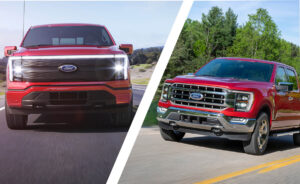
Electric vehicles and internal combustion vehicles (ICE) are very similar. The main difference is that one uses fuel and the other uses electricity.
But there’s still some key differences in electric cars versus gas: charger ports, range, maintenance, regenerative breaking, and upfits.
Charger Port
EVs have a charger port instead of a gas tank. Location of charger ports have not been standardized industry wide yet. So chargers ports can be on the front, back, or side of the vehicle.
Location of the charger port doesn’t totally matter if you are building your own infrastructure. But if you plan on charging using public chargers certain charging port locations are easier than others.
Public charging ports can have short cables that can make some ports harder to reach. There’s sometimes just a little extra thought that goes into finding a public charger that will work.
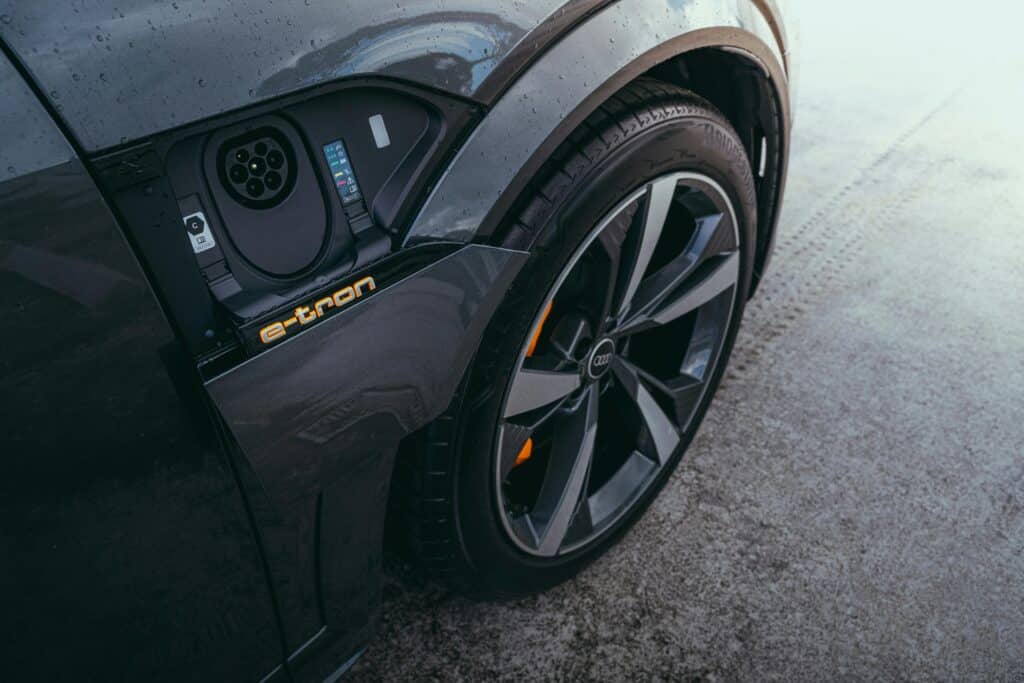
There are three main charger port types that any EV can have: J1172, NACS, and CCS1. If you are buying used EVs, there are a few more types. But these are the main 3 still being used in North America.
Range
Range is how far an electric vehicle can go when the battery is fully charged. This is going to vary from vehicle to vehicle and is based on battery size.
But just because vehicles have the same sized battery does not mean they can go the same distance. Weight of vehicle and aerodynamics affect the range, just like they do in an ICE vehicle. And these are taken into account when the manufacturer lists the vehicle’s range.
And just like in ICE vehicles, the way you drive affects range too. So you could get more or less mileage than the manufacturer’s stated range. Using air conditioning or heating, highway or stop and go traffic, tire pressure, payload, and driver behavior can all affect range.
Maintenance
Maintenance on an EV is completely different from an ICE vehicle. There are less moving parts, so there is less maintenance in some cases up to 50% less maintenance.
EV maintenance is more software driven than hardware driven. So think installing updates rather than changing hardware.
But not every service shop will service an EV. And if you have an on site service department, they will need new training in order to service EVs. ASE and SAE offer EV certifications, as do some OEMs (original equipment manufacturers).
Tires on EVs are also different. Electric vehicles are much heavier than their ICE counterparts due to the weight of the battery. This means tires wear down more quickly.
EVs have special tires that are designed to maximize grip and reduce wear. This is why EV tires cost more, and they will probably have to be replaced more frequently than ICE vehicle tires.
Batteries generally need very little maintenance and last 10+ years. Battery degradation will happen over time, usually around 1-2% per year.
Most manufactures also offer great warranties that cover the battery and other components for 8-10 years. And includes a guaranteed maximum battery capacity as well, usually 70%.
Another key consideration is that not every tow truck can tow an EV. And a thermal camera needs to be on any tow truck that does.
When EV batteries go bad it might not happen immediately after a crash. Thermal cameras can help catch it before the entire vehicle ignites. And whatever you do, do not use water in the event of an electric vehicle fire, only sand or foam.
Regenerative Braking
Regenerative braking allows the vehicle to reclaim kinetic energy and use that energy to recharge the battery to be used again later. Kinetic energy is the form of energy an object possesses due to its motion.
Brakes in an electric vehicle work the same way as brakes in an ICE vehicle, by stopping the vehicle through friction. But regenerative braking is different.
When the driver takes their foot off the accelerator in an electric vehicle, the electric motor goes into reverse. The motor runs backwards, acting like a generator, sending that power back into the battery and slowing the vehicle down in the process.
This means that the car will decelerate faster than an ICE vehicle when the foot is off the accelerator. Regenerative braking can take some getting used to.
But it can extend the range of the battery and works especially well in stop and go situations. It also helps to limit wear and tear on the brake pads.
One of the downsides to regenerative braking is that it can cause fishtailing on icy roads or snowy conditions. Many EVs allow drivers to adjust the amount of regenerative braking and switching it off or to a lower setting can help on icy roads.
Upfits
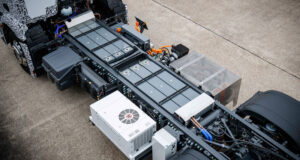
Upfits can be difficult in EVs, there are challenges that are not present in an ICE vehicle. The floor can no longer be bolted through, because that’s where the battery is.
There are other problems. Sometimes there is no access to the onboard battery. The weight of the already heavier EVe can pose a problem for some of the traditional upfitting materials. And some newer EV manufacturers make awkward body dimensions. Don’t assume that your current upfitter will work on an electric vehicle.
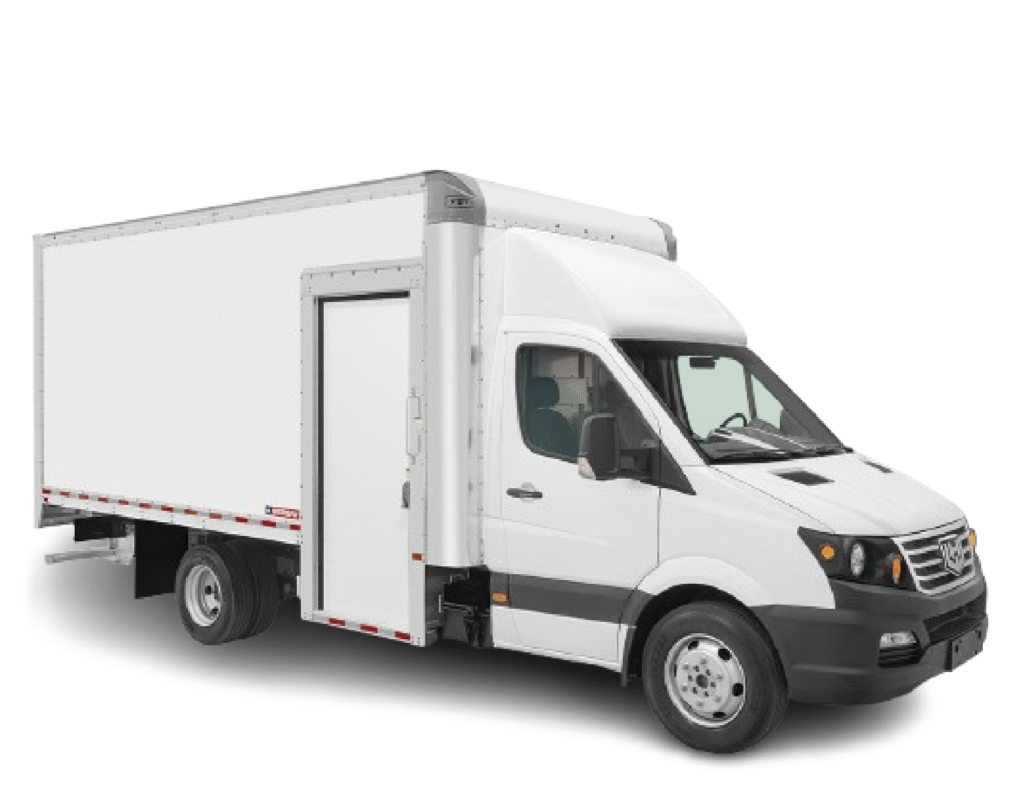
Companies, like Morgan, are doing a great job at overcoming these challenges though. They are using lighter materials to not add excess weight and using different attachment points.
Recap
Overall, electric vehicles are cheaper in the long run. While upfront costs can be higher, there is less maintenance and electric charging is significantly cheaper than fuel.
They also are not that much different from ICE vehicles. As long as charging isn’t an issue, it’s easy to make the switch to electric vehicles.
FAQs
Why are EV tires more expensive?
They are specially designed to handle the heavier weight of an electric vehicle. They also maximize grip and help to improve efficiency and range.
Is there less maintenance on an EV?
Yes, there is less maintenance on an EV. There are less moving parts and studies show maintenance costs tend to decrease overtime on EVs rather than increase like ICE vehicles.
What can affect range in an EV?
Similarly to an ICE vehicle, range in an EV can be affected by driver behavior, tire pressure, and payload.
How fast can I expect an EV battery to degrade?
Battery degradation can happen slowly, at a rate of 1-2% per year.
Does charger port location matter?
It can. When using public chargers, the cables may be short, which means some charger port locations are harder to get to than others.
Do EVs only have regenerative braking?
No. EVs use the same braking system as ICE vehicles in addition to having regenerative braking.